Simple Design Business Plan: A Strategic Tool for Professional Presentation
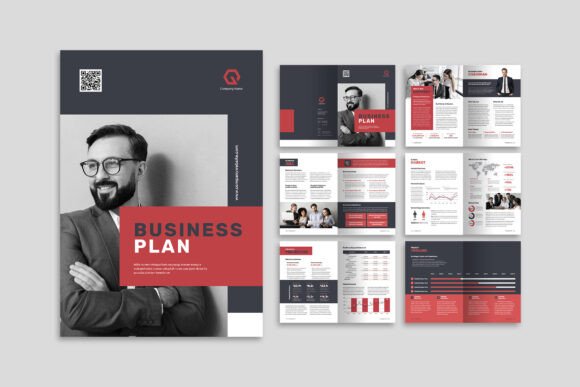
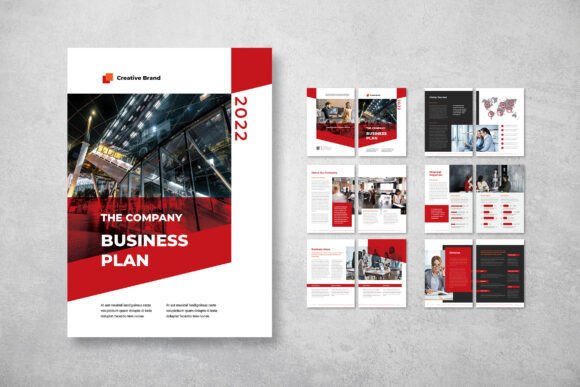
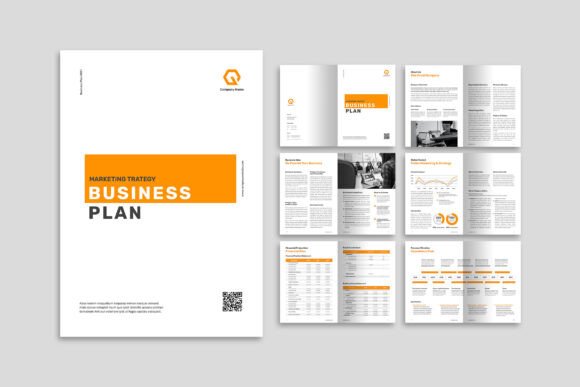
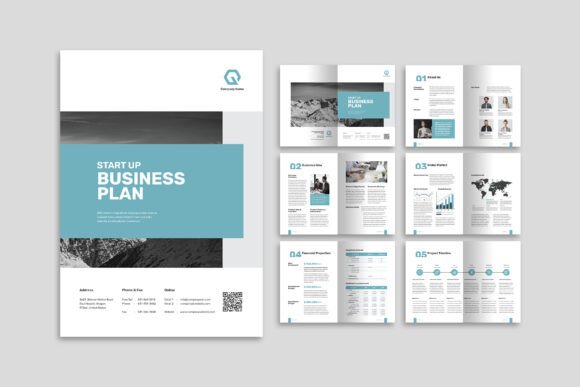
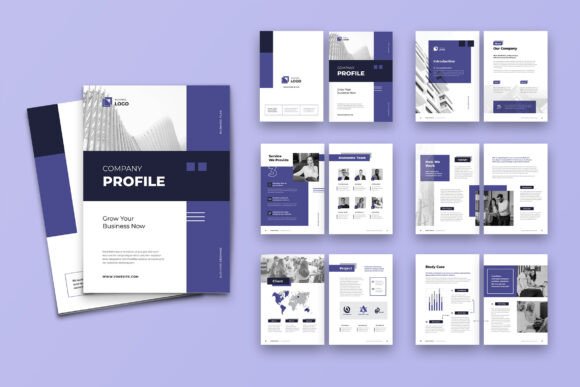
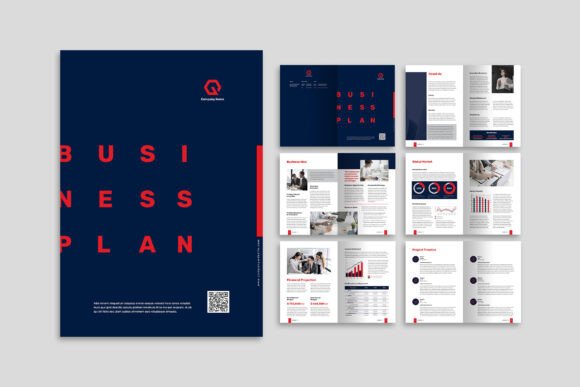
The Simple Design Business Plan is a professional layout template tailored for creating A4-sized documents in Adobe InDesign. Designed with simplicity and elegance in mind, this template allows users to present images, infographics, and text in a cohesive and visually appealing manner. Whether you're crafting a company profile, a business plan, or a marketing proposal, the Simple Design Business Plan offers a structured yet flexible foundation that supports a wide range of project objectives.
Why the Simple Design Business Plan Matters
In today’s competitive landscape, how you present your ideas can significantly influence outcomes. The Simple Design Business Plan provides a strategic framework that helps professionals communicate their vision effectively. By combining clean design elements with practical functionality, it enables users to focus on content without getting bogged down by technical complexities.
This template is particularly useful for entrepreneurs, marketers, and small business owners who need to convey their message clearly and professionally. It streamlines the process of creating high-quality documents, ensuring that visual consistency and readability are maintained across all pages.
Key Features That Enhance Productivity
The Simple Design Business Plan includes 12 custom pages, covering everything from the front cover to the back cover. This ensures that your document has a complete and polished look. The template supports both INDD and IDML formats, making it accessible to a wide range of users. Additionally, it uses CMYK color format, 300 DPI resolution, and a 3 mm bleed, which are essential for professional printing.
Smart layers and neatly organized structures allow for easy customization. Users can modify layouts, add branding elements, or adjust typography without disrupting the overall design. The use of free fonts from DaFont or Google Fonts further enhances flexibility, enabling users to maintain a consistent aesthetic without additional costs.
Strategic Use Cases for the Simple Design Business Plan
The versatility of the Simple Design Business Plan makes it suitable for various applications. For instance, a startup might use it to create a compelling business plan that outlines its vision, strategy, and financial projections. A creative agency could leverage it to present client proposals, showcasing their portfolio alongside key metrics and value propositions.
For educators and trainers, the template can be used to develop course materials or training manuals that combine instructional content with visual aids. Similarly, freelancers and consultants may find it valuable for crafting client presentations that highlight their expertise and services.
How to Approach the Simple Design Business Plan
Before diving into the template, it’s important to define your goals and audience. Understanding who will be viewing the document will guide your design choices and content structure. For example, a business plan intended for investors should emphasize financial data and growth potential, while a company profile may focus more on brand identity and team values.
Take time to organize your content. Break down complex information into digestible sections, and use visuals to reinforce key points. The Simple Design Business Plan is designed to support this process, but effective use requires thoughtful planning and attention to detail.
Considerations for Effective Implementation
While the Simple Design Business Plan offers a strong foundation, it’s not a one-size-fits-all solution. Users must consider their specific needs and adapt the template accordingly. For instance, if your project involves intricate data visualization, you may need to supplement the template with additional design elements or tools.
Also, ensure that all visual elements—such as images and infographics—are relevant and enhance the message. Remember that the images provided in the template are for preview purposes only and are not included in the download files. You’ll need to source appropriate assets that align with your brand and messaging.
Practical Tips for Maximizing the Template’s Potential
Start by familiarizing yourself with the template’s structure. Explore the layers and elements to understand how they interact. This will help you make informed decisions when customizing the layout. Use the smart layers feature to manage different components of your document efficiently.
When adding text, keep it concise and focused. Avoid cluttering pages with excessive information. Instead, prioritize clarity and impact. Use headings, bullet points, and short paragraphs to improve readability. The Simple Design Business Plan is designed to support these practices, so take advantage of its built-in formatting options.
Long-Term Value and Strategic Benefits
Investing time in mastering the Simple Design Business Plan can yield long-term benefits. As your business evolves, you can reuse or update the template to reflect new goals, strategies, or branding initiatives. This consistency helps build trust and recognition among your audience.
Moreover, the template encourages a disciplined approach to design and communication. By following a structured process, you can avoid common pitfalls such as inconsistent branding, unclear messaging, or poor visual hierarchy. These factors contribute to more effective decision-making and better results over time.
Risks of Using the Template Without Clear Goals
Without a clear purpose, the Simple Design Business Plan may lead to generic or ineffective outputs. For example, if you simply fill the template with placeholder content without considering your audience or objectives, the final document may fail to resonate with its intended readers.
It’s also possible to become overly reliant on the template, neglecting the need for originality and creativity. While the template provides a solid framework, it’s up to you to infuse it with unique insights and perspectives. Striking the right balance between structure and innovation is key to achieving meaningful outcomes.
Intentional Use for Better Results
To use the Simple Design Business Plan intentionally, start by defining your purpose. Ask yourself: What message do I want to convey? Who is my target audience? What actions do I want them to take? These questions will shape your approach and ensure that every element of the document serves a clear function.
Regularly review and refine your work. Seek feedback from colleagues, clients, or mentors to identify areas for improvement. The goal is not just to create a visually appealing document, but to deliver value and drive action.
Conclusion: Embracing Simplicity for Strategic Success
The Simple Design Business Plan is more than just a template—it’s a tool for strategic communication. By leveraging its features thoughtfully, users can create professional, impactful documents that align with their goals and resonate with their audiences. Whether you’re launching a new venture, presenting to stakeholders, or refining your brand, this template offers a reliable foundation for success.