Pillow Colored Icons: A Versatile Design Tool for Modern Workflows
In today’s fast-paced digital landscape, visual elements play a crucial role in communication, branding, and user experience. Among the many design assets available, Pillow Colored Icons stand out as a practical and flexible solution for creators, developers, and professionals across various industries. These icons are not just decorative; they are an essential part of the design process, offering clarity, consistency, and aesthetic appeal in a wide range of applications.
Whether you're working on a website, mobile app, social media campaign, or print material, Pillow Colored Icons can seamlessly integrate into your workflow. Their clean, minimalistic style ensures they remain relevant across different platforms and formats, making them a go-to choice for designers who value efficiency and adaptability.
Understanding Pillow Colored Icons and Their Role in Design
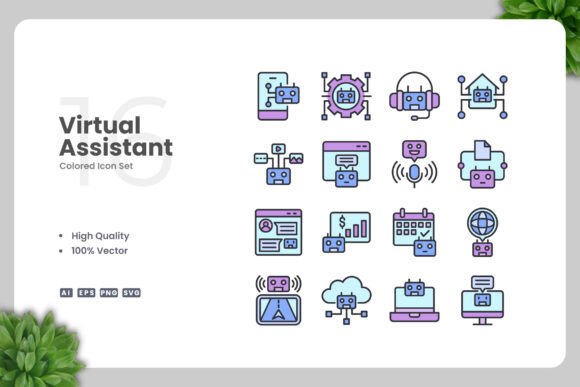
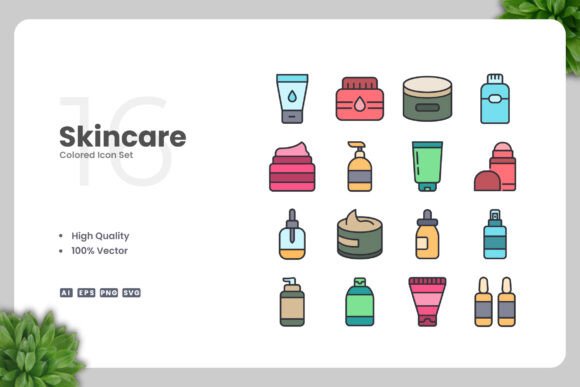
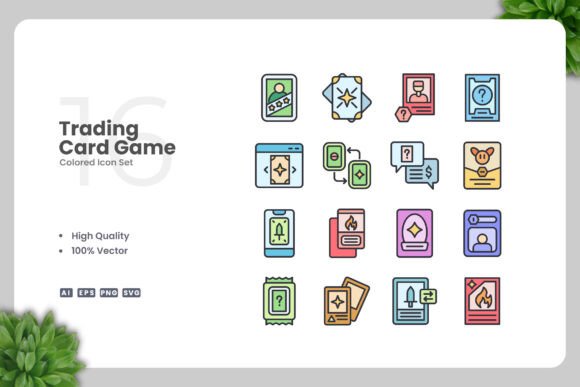
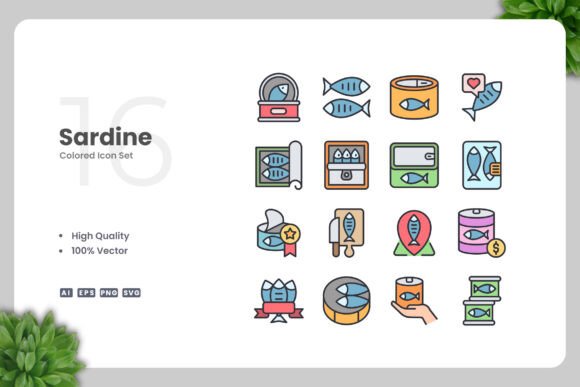
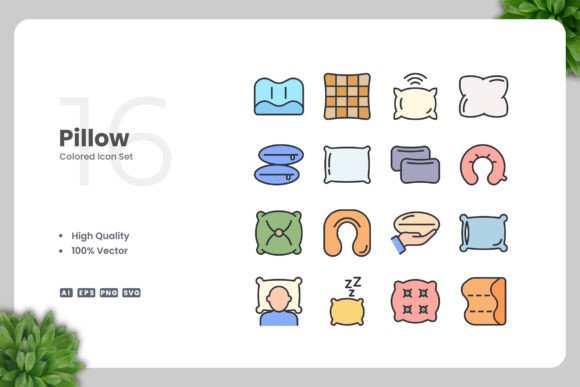
Pillow Colored Icons are a collection of vector-based illustrations that feature soft, pastel hues and a gentle, rounded shape. This unique aesthetic makes them ideal for projects that require a friendly, approachable look without sacrificing professionalism. Unlike bold or high-contrast icon sets, these icons offer a subtle yet effective way to convey information and guide user interactions.
The versatility of Pillow Colored Icons lies in their ability to fit into multiple stages of a project. Before starting a design, they can serve as a reference for color schemes and visual direction. During development, they can be easily adjusted to match brand guidelines or interface requirements. After launch, they can be updated or rebranded with minimal effort, ensuring long-term usability.
How to Use Pillow Colored Icons in Different Projects
One of the key advantages of Pillow Colored Icons is their compatibility with a wide range of tools and platforms. Whether you're using Adobe Illustrator, CorelDRAW, or other design software, these icons can be resized, recolored, and modified without losing quality. This level of customization allows designers to maintain a cohesive visual identity across all materials.
For example, a marketing team working on a social media campaign might use Pillow Colored Icons to create engaging posts, banners, and infographics. The icons' simple shapes and soft colors make them easy to pair with text and other graphical elements, ensuring readability and visual harmony. Similarly, a web developer building a mobile app could integrate these icons into the UI, adjusting their size and color to match the app's theme.
Workflow Integration and Practical Tips
Integrating Pillow Colored Icons into your workflow requires careful planning and organization. Start by identifying where these icons will be used—whether it's for a specific project, a recurring task, or a broader brand strategy. Once you have a clear understanding of their purpose, you can begin selecting the most appropriate icons from the collection.
A practical tip is to organize your icons into folders based on use cases, such as "navigation," "social media," or "informational." This helps streamline the selection process and reduces the time spent searching for the right asset. Additionally, keeping a README.txt file with notes on color codes, file formats, and usage guidelines can improve collaboration and consistency, especially when working with a team.
When working with vector files like AI, EPS, or SVG, ensure that your design software supports these formats. Most modern design tools allow for seamless import and editing, but it's always good to test a few icons before committing to a full project. For PNG files with transparency, consider the background context where they will be placed to avoid unintended visual conflicts.
Enhancing Efficiency and Consistency
Efficiency is a critical factor in any design process, and Pillow Colored Icons help reduce the time and effort required to create visually appealing content. By providing a ready-made set of icons, they eliminate the need to design each element from scratch, allowing designers to focus on higher-level tasks such as layout, typography, and user experience.
Consistency is another major benefit. When using a pre-designed icon set, you can ensure that all visual elements align with the same style, color palette, and level of detail. This is particularly important for brands that rely on a strong visual identity to build recognition and trust. With Pillow Colored Icons, maintaining this consistency becomes much easier, even when working on multiple projects or with different team members.
Long-Term Use and Maintenance
As your design needs evolve, the ability to update and refine your icon set becomes increasingly valuable. Pillow Colored Icons are designed with this in mind, offering a high degree of flexibility for future modifications. Whether you want to change the color scheme, adjust the size, or add new icons, the vector format ensures that these changes can be made quickly and accurately.
Maintaining a library of icons also helps with version control and project management. By keeping track of which icons are used in which projects, you can avoid duplication and ensure that each asset is used appropriately. This is especially useful for businesses that operate across multiple platforms or have a large volume of design work.
Conclusion: A Valuable Asset for Modern Designers
Pillow Colored Icons are more than just a set of visuals—they are a practical tool that supports creativity, efficiency, and consistency in design workflows. From websites and apps to print materials and social media, these icons offer a versatile solution that adapts to a wide range of needs.
By understanding how to use and integrate these icons effectively, designers and professionals can enhance their productivity while maintaining a polished and professional appearance. Whether you're a seasoned designer or just starting out, Pillow Colored Icons provide a solid foundation for creating visually appealing and functional designs that meet the demands of today’s digital world.