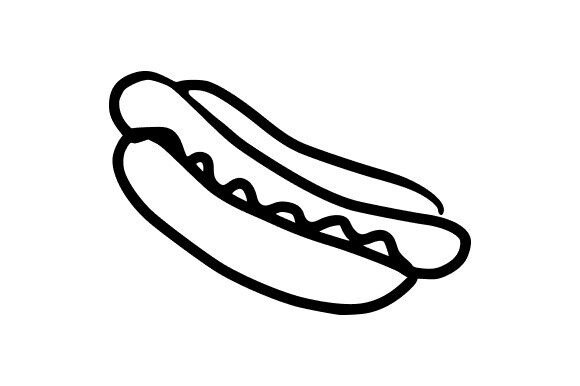
Hot Dog Sketch: A Versatile Design Asset for Creative Professionals
The Hot Dog Sketch is more than just a simple illustration—it's a powerful visual tool that can enhance a wide range of creative projects. Whether you're designing for print, web, or digital media, this asset offers flexibility, clarity, and a touch of fun that can elevate your work. Its clean lines and recognizable form make it ideal for everything from promotional materials to infographics, stickers, and presentations. But despite its simplicity, there are several key considerations that users should keep in mind to get the most out of this design.
What Makes the Hot Dog Sketch Unique?
The Hot Dog Sketch is a stylized representation of a classic fast food icon. It captures the essence of a hot dog without being overly detailed, making it easy to integrate into various design contexts. This balance between simplicity and recognizability is what makes it so appealing. The sketch is often used to evoke nostalgia, humor, or a sense of casual comfort—qualities that resonate with a broad audience.
For designers, marketers, and content creators, the Hot Dog Sketch serves as a quick and effective way to communicate ideas related to food, convenience, and everyday life. Its versatility means it can be adapted to different styles, color schemes, and formats, making it a valuable addition to any design toolkit.
Common Mistakes When Working With the Hot Dog Sketch
While the Hot Dog Sketch may seem straightforward, there are several common mistakes that users might make when incorporating it into their work. One of the most frequent errors is using the illustration without considering its context. For example, placing a hot dog sketch in a high-end restaurant menu might not align with the brand's tone or image. The sketch works best when it fits naturally within the overall design scheme.
Another mistake is overlooking the importance of file format selection. The Hot Dog Sketch is available in multiple formats, including SVG, EPS, JPG, and transparent PNG. Choosing the wrong format can lead to quality issues, especially if the image is scaled up or used in a professional setting. For instance, using a low-resolution JPG for a large poster could result in pixelation, which diminishes the visual impact.
Why File Format Matters
Each file type has its own strengths. SVG files are perfect for scalable designs that need to maintain quality at any size. EPS is ideal for professional graphic design software, while JPG is suitable for general use. Transparent PNGs are great for overlays and quick edits. Understanding the purpose of your project will help you choose the right format and avoid unnecessary complications.
Overlooking the Importance of Licensing
One often overlooked detail is the licensing agreement associated with the Hot Dog Sketch. While the asset may appear freely usable, it's important to check the terms of use before incorporating it into commercial projects. Some licenses may restrict how the illustration can be modified or distributed, and failing to comply could lead to legal issues down the line.
Additionally, some users might assume that because the sketch is simple, it’s free to use. However, many high-quality illustrations come with specific usage rights that must be respected. Always review the licensing information carefully to ensure you’re using the asset correctly.
How to Avoid Common Pitfalls
To get the most out of the Hot Dog Sketch, start by defining the purpose of your project. Ask yourself: What message do I want to convey? What style does my audience expect? Answering these questions can help guide your design decisions and ensure the illustration fits seamlessly into your work.
Another practical tip is to test the Hot Dog Sketch in different sizes and backgrounds. This helps identify any potential issues with visibility or scalability. For example, if the sketch is too small, it might lose its detail, or if it’s placed on a busy background, it might become hard to see.
Realistic Examples of Better Approaches
Instead of using the Hot Dog Sketch as a generic placeholder, consider customizing it to match your brand’s identity. This could involve adjusting colors, adding text, or integrating it with other design elements. For instance, a food blog might use the sketch in a recipe card with a bold, playful font to reinforce the theme of casual dining.
When working on a presentation, try pairing the Hot Dog Sketch with data visualizations or icons that complement the topic. This creates a cohesive look that enhances the overall message without overwhelming the audience.
What to Check Before Using the Hot Dog Sketch
Before downloading or purchasing the Hot Dog Sketch, take a moment to verify the following:
- File Quality: Ensure the resolution and format meet your project’s requirements.
- Licensing Terms: Review the usage rights to avoid legal issues.
- Design Fit: Confirm that the illustration aligns with your project’s goals and aesthetic.
- Source Reliability: Choose a reputable provider to guarantee the authenticity and quality of the asset.
By taking these steps, you can ensure that the Hot Dog Sketch adds value to your work rather than causing unnecessary challenges.
Conclusion: Make the Most of Your Design Choices
The Hot Dog Sketch is a versatile and engaging design element that can enhance a variety of creative projects. However, its effectiveness depends on how well it’s chosen, applied, and customized. By avoiding common mistakes and making informed decisions, you can maximize the impact of this asset and create more compelling visual content.
Whether you're a designer, marketer, or content creator, the Hot Dog Sketch offers a unique opportunity to bring a touch of familiarity and fun to your work. With the right approach, it can become a go-to resource that saves time and improves results.